
Solar panels, batteries and charging stations are connected within local energy systems, allowing available energy to be used when it is needed. This interaction relies on digital technology and also brings new security challenges. So how can you test the digital security of an energy system before it is actually put into use?
Digital security by design
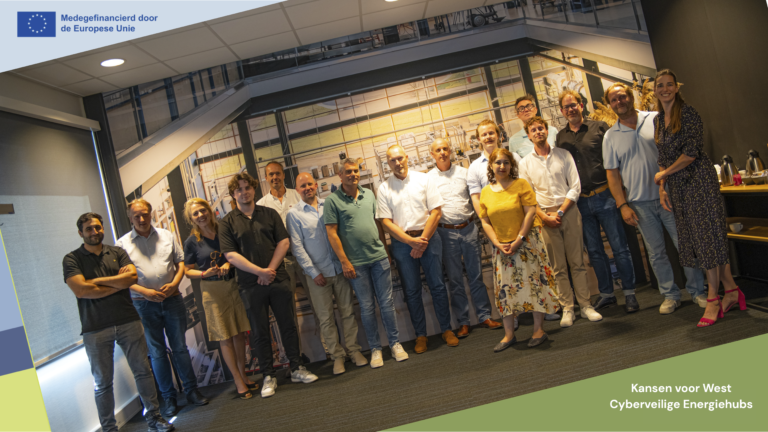
As part of the Cyber-Secure Energy Hubs¹ project, twelve organisations are working to improve the digital security of local energy systems. The project has been awarded €900,000 in funding through Kansen voor West. In Scheveningen, the Slim Strandnet is being used to test solutions in practice.
The project focuses on local energy hubs, where the generation, storage and use of energy are coordinated locally. This interconnectedness enables new applications, but also introduces digital risks. That is why the Cyber-Secure Energy Hubs project follows the principle of ‘Secure by Design’: digital security is considered from the very beginning. This means not only identifying potential vulnerabilities, but also developing and testing security solutions before they are actually deployed.
Through this project, The Hague is contributing to the development of cyber-secure energy systems and to South Holland’s efforts to take a leading role in this field.
Partners such as TU Delft (The Green Village and Do IoT Fieldlab) and Security Delta (HSD) bring together different areas of knowledge and expertise. The project focuses on local energy hubs, where different components of an energy system work together. This allows energy to be generated, stored and distributed locally when it is needed. To make this possible, devices and systems exchange information digitally.
Testing with the Slim Strandnet
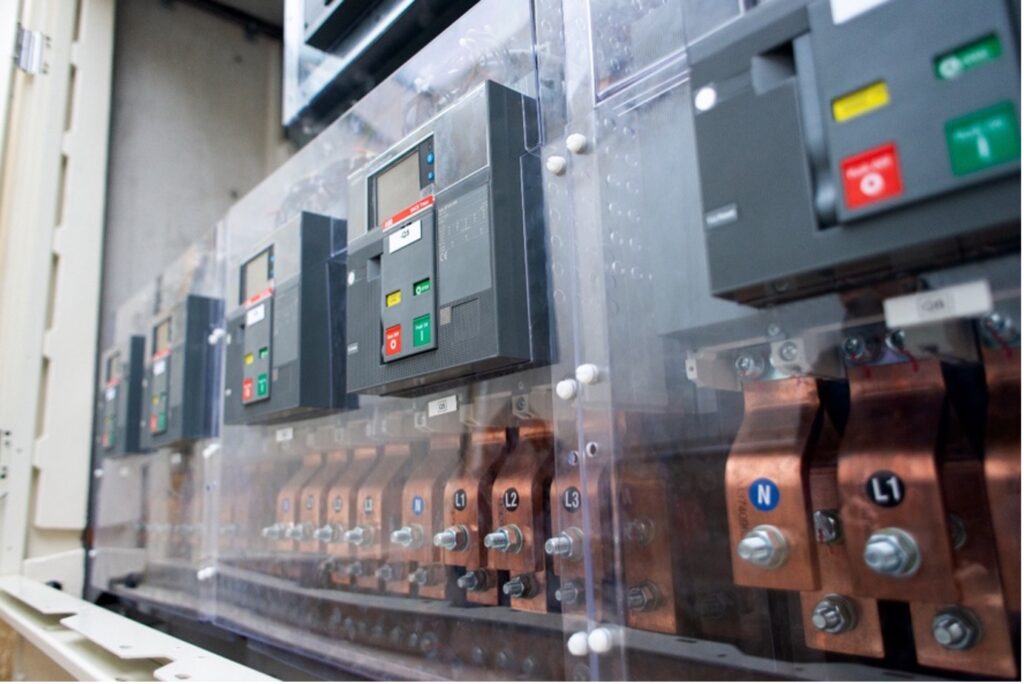
The Slim Strandnet is being used within the project to explore how a local energy system can be digitally secured. For this purpose, aXite Security Tools is creating a ‘digital twin’ that digitally replicates the Slim Strandnet. This allows security solutions to be tested before they are applied to the actual energy system.
From Scheveningen to other energy hubs
The knowledge gained from the Slim Strandnet, together with the results from the other fieldlabs, will be used to further develop cyber-secure energy hubs. The lessons learned in Scheveningen can therefore also be applied to other local energy systems. In this way, the project contributes to an energy system that is not only smarter and more sustainable, but also remains digitally secure and reliable.
¹ This project is co-funded by the European Union and Kansen voor West and is part of the Cyber-Secure Energy Transition Innovation Coalition.